How I build pet project
It doesn't have to be a monster app built to start a revolution. A good pet project only needs to solve one specific job for a specific group of people.
“You’re an SE student. What do you do in your free time?” - “Open the laptop and play LoL code, of course” - If you don’t know what to code, build a pet project. A pet project here is a short, small project we come up with ourselves to solve a specific problem.
A pet project doesn’t have to be a monster app, built to start a revolution. A good pet project only needs to solve one specific job for a specific group of people.
An app to handle posting and approving confessions
I started building my pet project FUHCM.com about 2 years ago. The idea was simple: fix the frustration admins had with using Google Form to view and approve the daily confession messages:
- No automatic ID numbering (hashtag numbers), and tracking IDs by hand gets exhausting when there are so many
- The Google Form spreadsheet view is not intuitive for approving confessions (too many columns)
- Hard to clean up the Google Forms spreadsheet
- With many confessions (rows), it loads very slowly and is hard to use on mobile
- Users can’t search and re-read old confessions (searching on Facebook works, but it’s relatively painful)
- Admins aren’t notified of new confessions and have to open the sheet and check every day
- Senders aren’t notified when their confession is approved (sometimes you wait around all day 😏)
- Users aren’t told why their confession was rejected (no clue why it got rejected, so annoying 😏)
- After approving, admins have to copy it and add the number, date, and ID by hand, which takes a lot of time
To solve these problems, I only needed to make an extremely simple CRUD app that any FPT student could build, probably right after finishing semester 5 and passing the Java Web course (PRJ321) taught by KhánhKT (when I built it, I had just finished semester 5 too 😅).
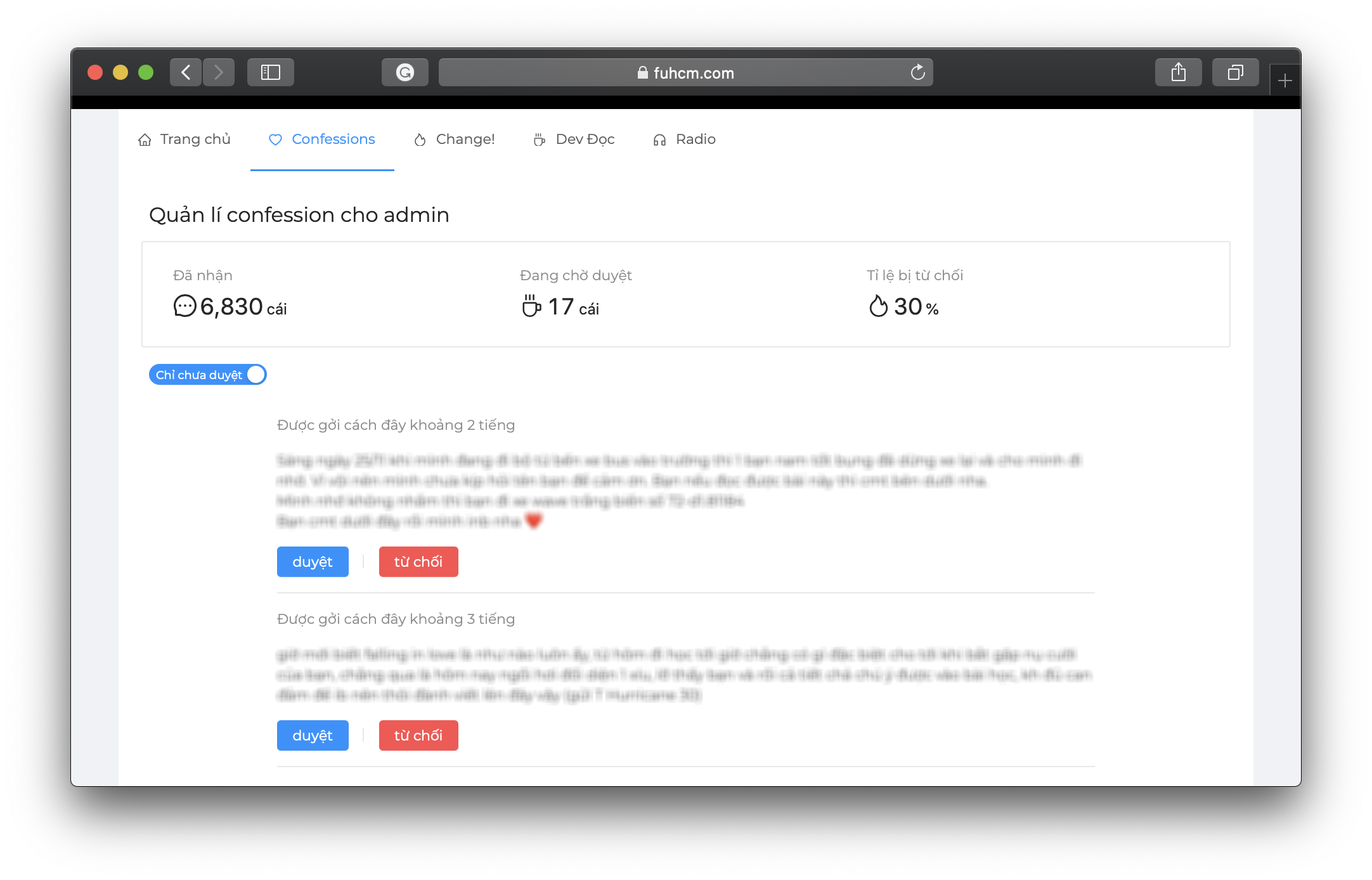
A pet project teaches you a lot
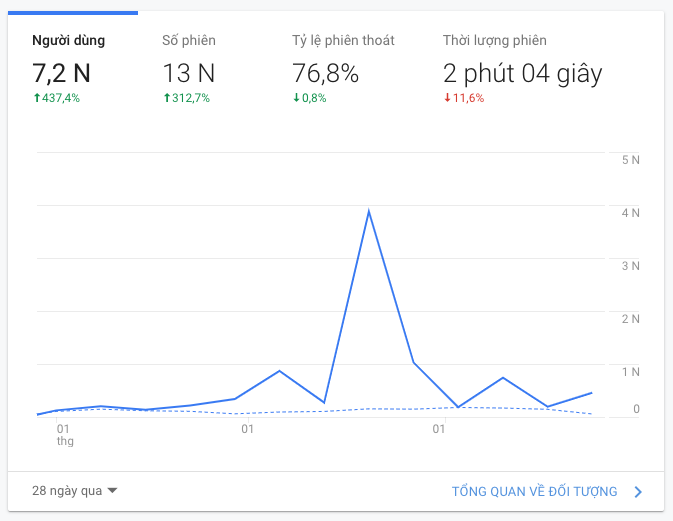
I built this pet project while doing my OJT at FPT Software, where I was on a project using the modern web stack of the time, React and Node.js. So I applied that to the pet project right away, using React and Firebase, which was super quick: the MVP took only about 2 days.
Thanks to the pet project I understood JavaScript and React better (before that I had only been taught Java at school, so I wasn’t great at writing JS): I learned to do everything myself, from writing code, using build tools, and using UI themes, to deploying to hosting and buying a domain…
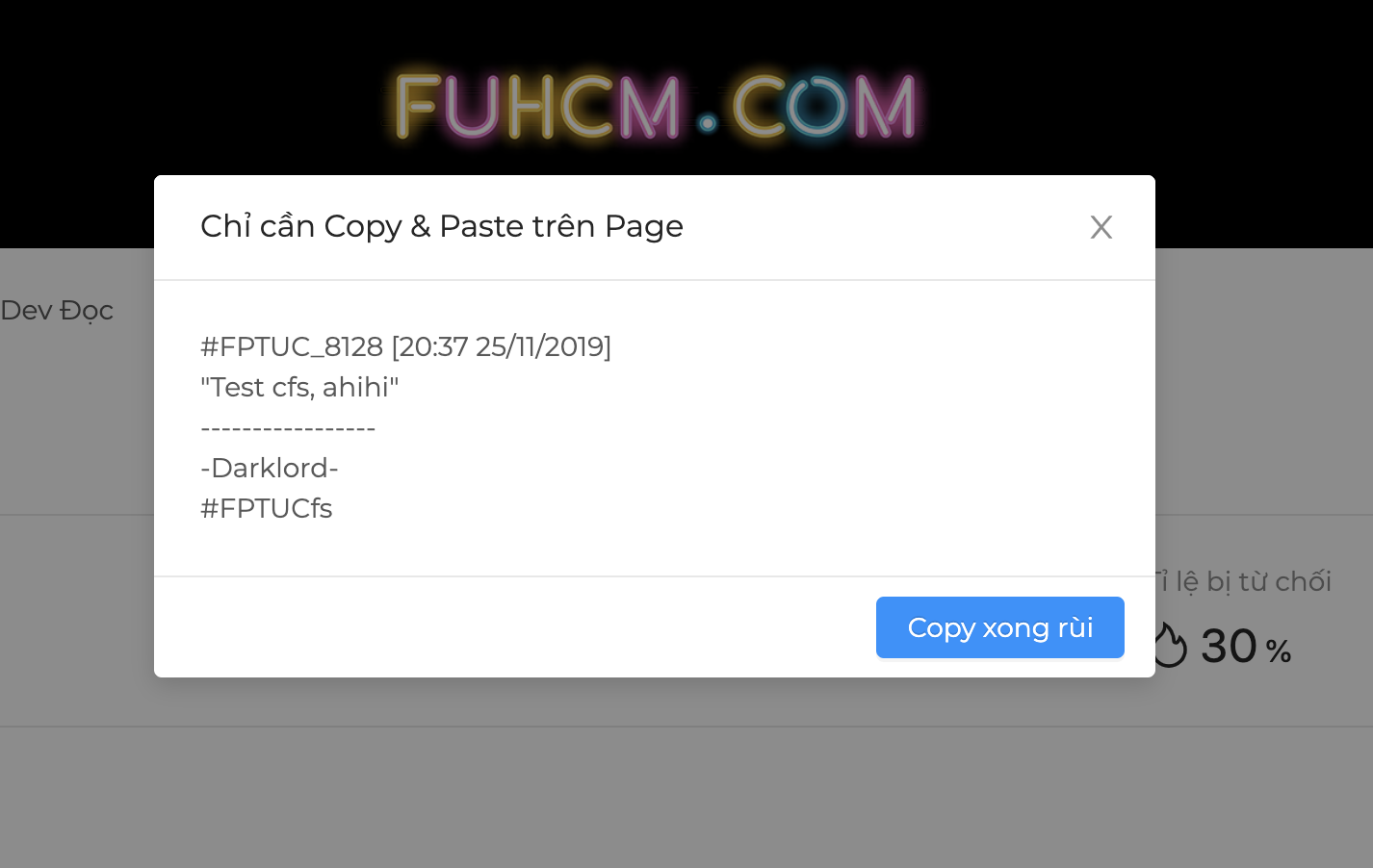
After several weeks of use, the feedback and issues that came up also taught me a lot. For example, at one point bad actors flooded confessions, corrupting data and overloading the server, so I learned to use Recaptcha for anti-flood and user validation. I also learned how to use service-worker and the PWA concept to make a phone app without writing a separate app. And at one point I used up the free MySQL quota on Heroku and had to migrate to MongoDB to get more. 😒
“Don’t give up in the face of adversity. As a real software engineer, we always have to face problems to solve them.” - codeaholicguy.com
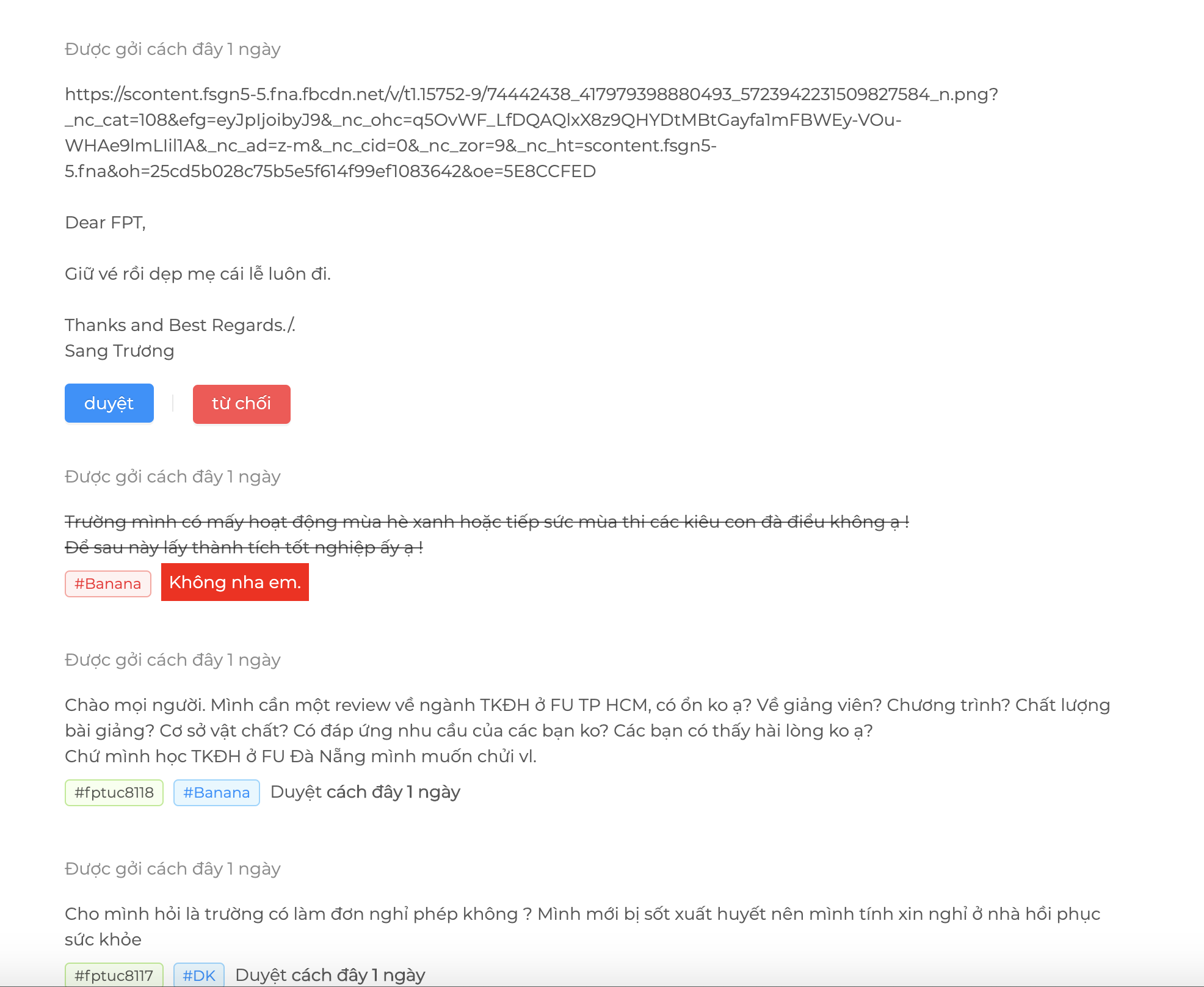
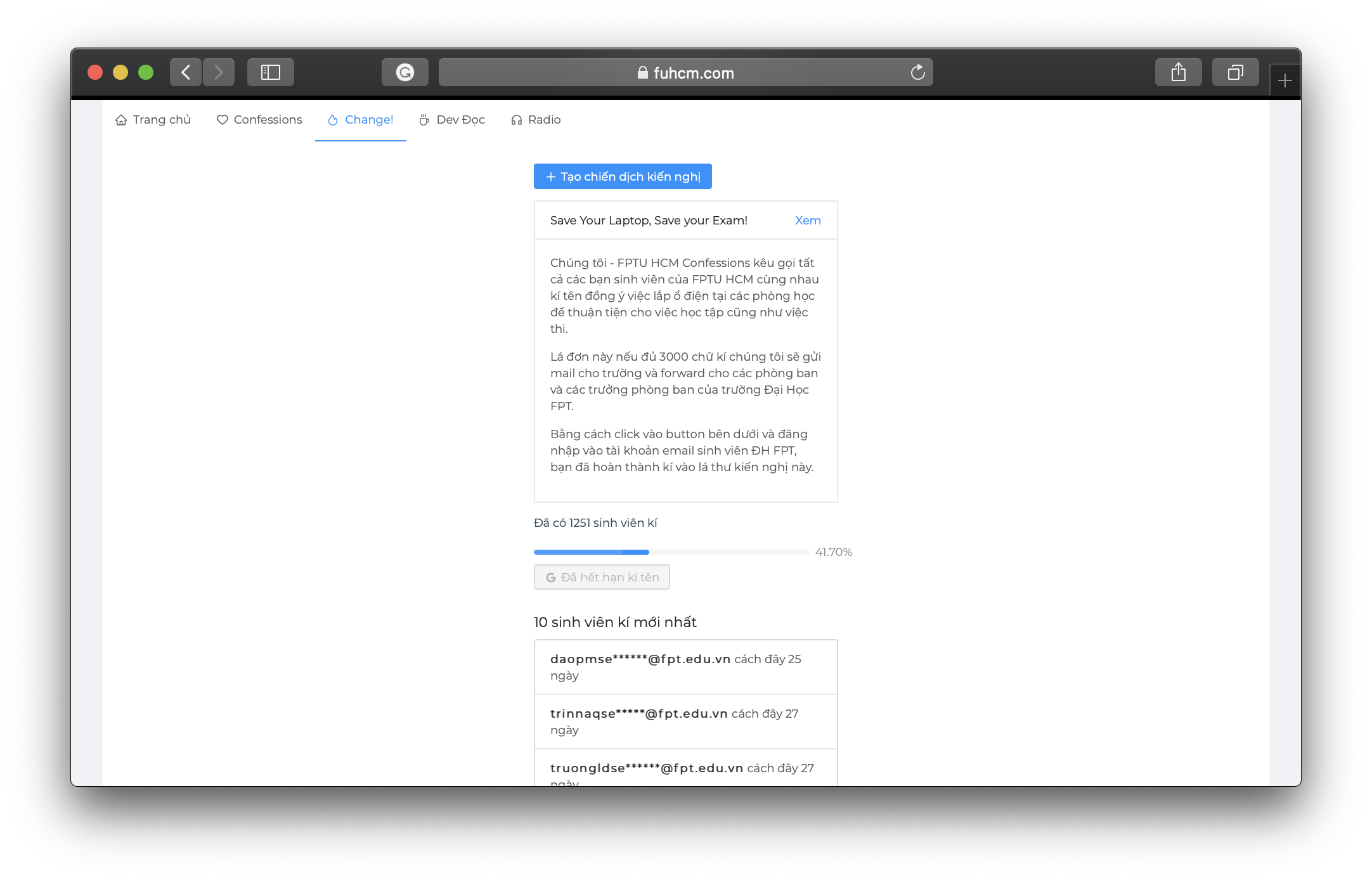
Later, whenever I learned a new language or concept, I applied it to this pet project to experiment and practice (like Go, Docker, or CI/CD with Jenkins/TravisCI…). In my spare time I also built some extra features like scraping posts from the FPT homepage feed and other sites, a real-time radio, a CMS page (first using contentful, later self-coded) for admins to post/edit articles, and even a clone of change.org for students to submit petitions 😂.
Some achievements: Since launch, fuhcm.com has handled ~7000 confessions, increased engagement when posting confessions, and boosted productivity and saved time by 500% for the admins. 😎
Why you should build a pet project
-
Learn something new and improve your knowledge - What better chance to try out and learn a new technology, a new framework… A side project has no time pressure or deadline, so you can experiment freely (just don’t go too hard right before your finals 😳).
-
Building a product gives you valuable experience and skills: from coming up with the idea and planning the work to plenty of other things to do… In the end you have a practical product that solves a problem, at least for you.
-
A raise: Your resume will look a bit better to future recruiters. 😅 (If you don’t have pet projects, I don’t think I want you)
-
You can show off your pet project to get fame.
Whatever pet project you’re building, you create value for yourself (and for others).
Time is money. If you make something that saves people time, they’ll feel good about paying.
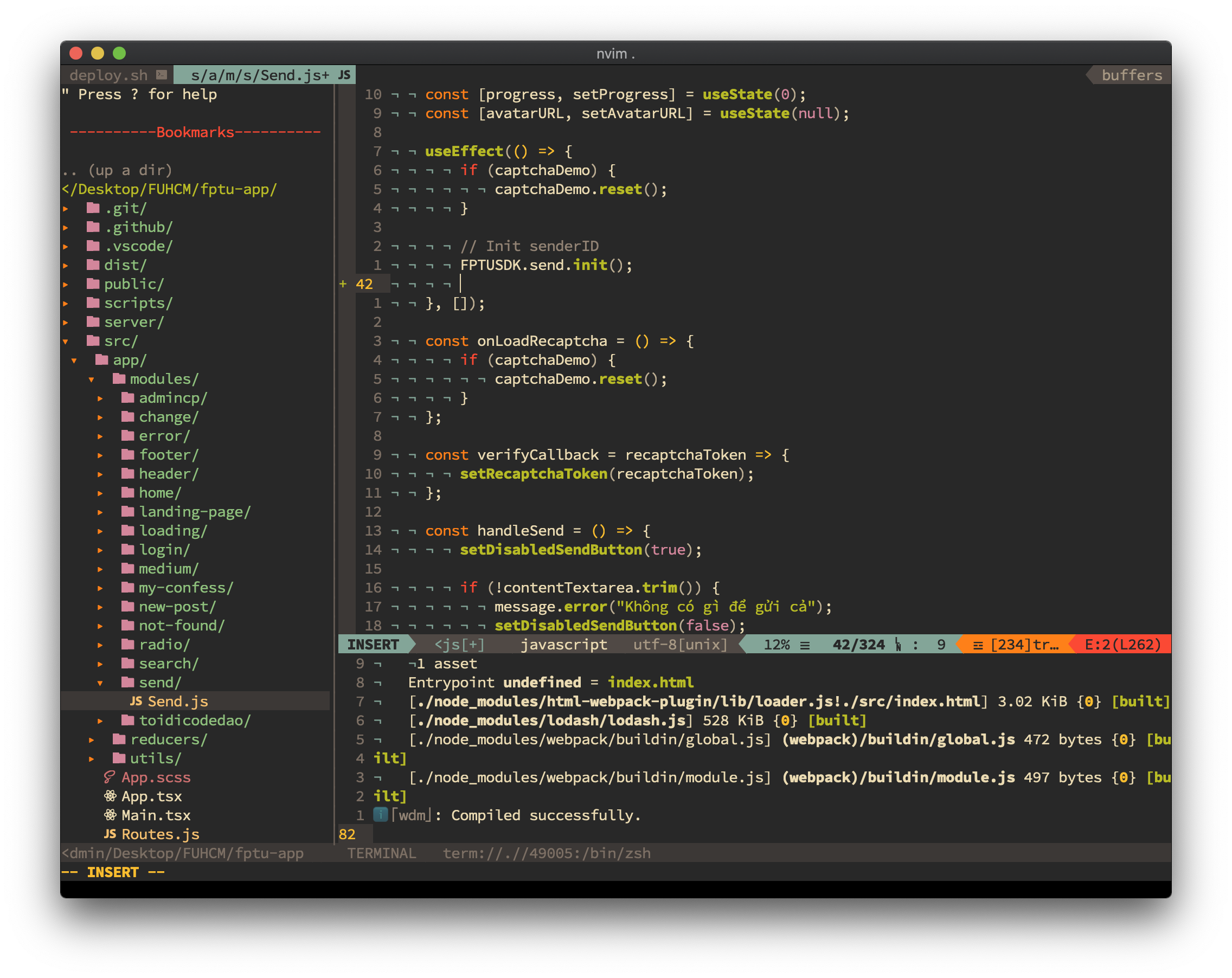
User numbers go up and down with the drama
How to get started
Quoted from Rework and the product-building mindset @ The Full Snack
-
Ignore the real world: Surely everyone has presented an idea and immediately heard “this idea won’t work”, or as the book puts it, “that would never work in the real world”. The advice given is very simple: “that world may be real for them, but it doesn’t mean you have to live in it”, which translates to roughly “screw it, just go for it” :))
-
Scratch your own itch: This one is obvious. Only when you build a product to solve a problem you face yourself do you know what you need and how to do it. Many startups or side projects are built to solve guessed-at problems of other people, and of course they fail miserably. Simply because you scratch but they don’t feel relief, or worse, it itches even more =))
-
Start making something and No time is no excuse: Not having enough time so you don’t do it. Really, a day has 24 hours, and whether you have enough time depends on how you use it. Stay up 1 or 2 hours later, or cut 1 or 2 hours of gaming or watching movies, and you’ll have time to write or code another project, or learn something right away. And once you have the time, do it right away, don’t wait.
-
Quick wins: finish small goals to “keep the fire going”. One of the factors that makes side projects most likely to get dropped is discouragement. This is a common disease: anyone gets discouraged easily when stuck on a problem for too long.

Read more: BORED AND DON’T KNOW WHAT TO CODE? WHY NOT BUILD A PET PROJECT? - TÔI ĐI CODE DẠO
By the way, to keep building pet projects, I’m planning to rebuild the whole app into a super app that covers the needs of FU students. Students who want to join can look here, or leave a comment below.